Where this applies: hail is a regular risk in Dallas–Fort Worth, so the storm timing below starts there. Austin and San Antonio have had major hailstorms too, and Houston sees hail less often; see the local notes. The insurance, parking and repair advice works anywhere hail falls.
When hail hits: DFW
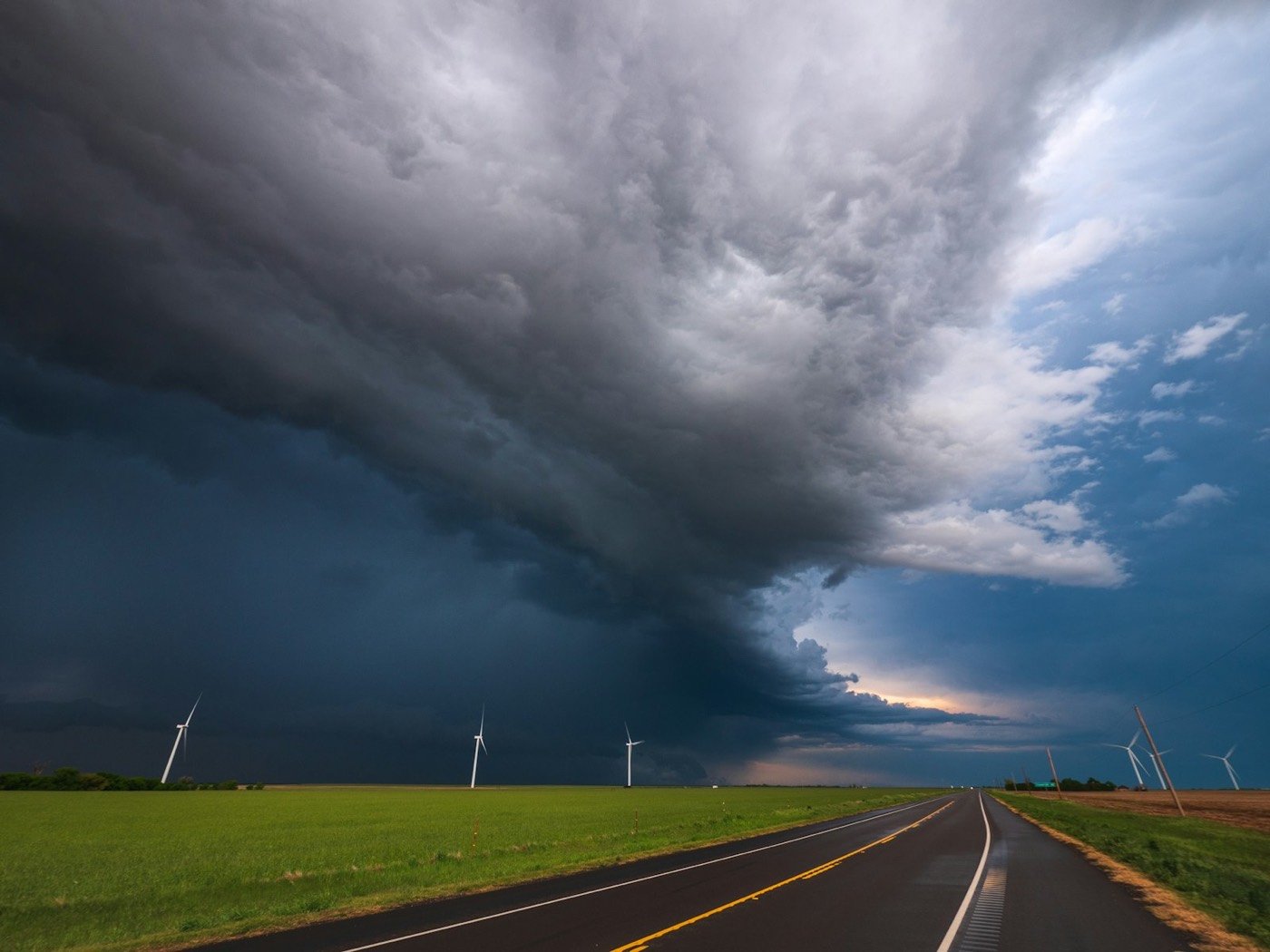
The National Weather Service office in Fort Worth says thunderstorms and the severe weather they bring peak in spring. It also says large hail hits somewhere in the Metroplex nearly every year, even though any one neighborhood may go years without it. Its tornado records, a reasonable stand-in for when severe storms are most active, peak in April and May.
A recent example shows how bad it can get. Between April 24 and 29, 2026, NWS Fort Worth recorded softball-size hail on April 25 and April 28, including near Godley in Johnson County and Itasca in Hill County, and teacup-size hail across northeast Dallas, Rockwall and Hunt counties on April 27. The weather service labels those figures preliminary.
We have not found an official month-by-month hail count for DFW or the other metros, so we do not name a single "peak hail month". Treat the whole spring as hail season and stay alert into early summer.
Treat the whole spring as hail season and stay alert into early summer.
Before the storm
- Know where cover is. Garages, parking structures and covered lots near home, work and the places you go often. Storms move fast, and you want a plan before the warning arrives.
- Turn on severe weather alerts in your phone's weather app, and follow your local National Weather Service office for warnings: Fort Worth for DFW, Houston/Galveston for Houston, and Austin/San Antonio for those two cities. Move the car early rather than during the storm.
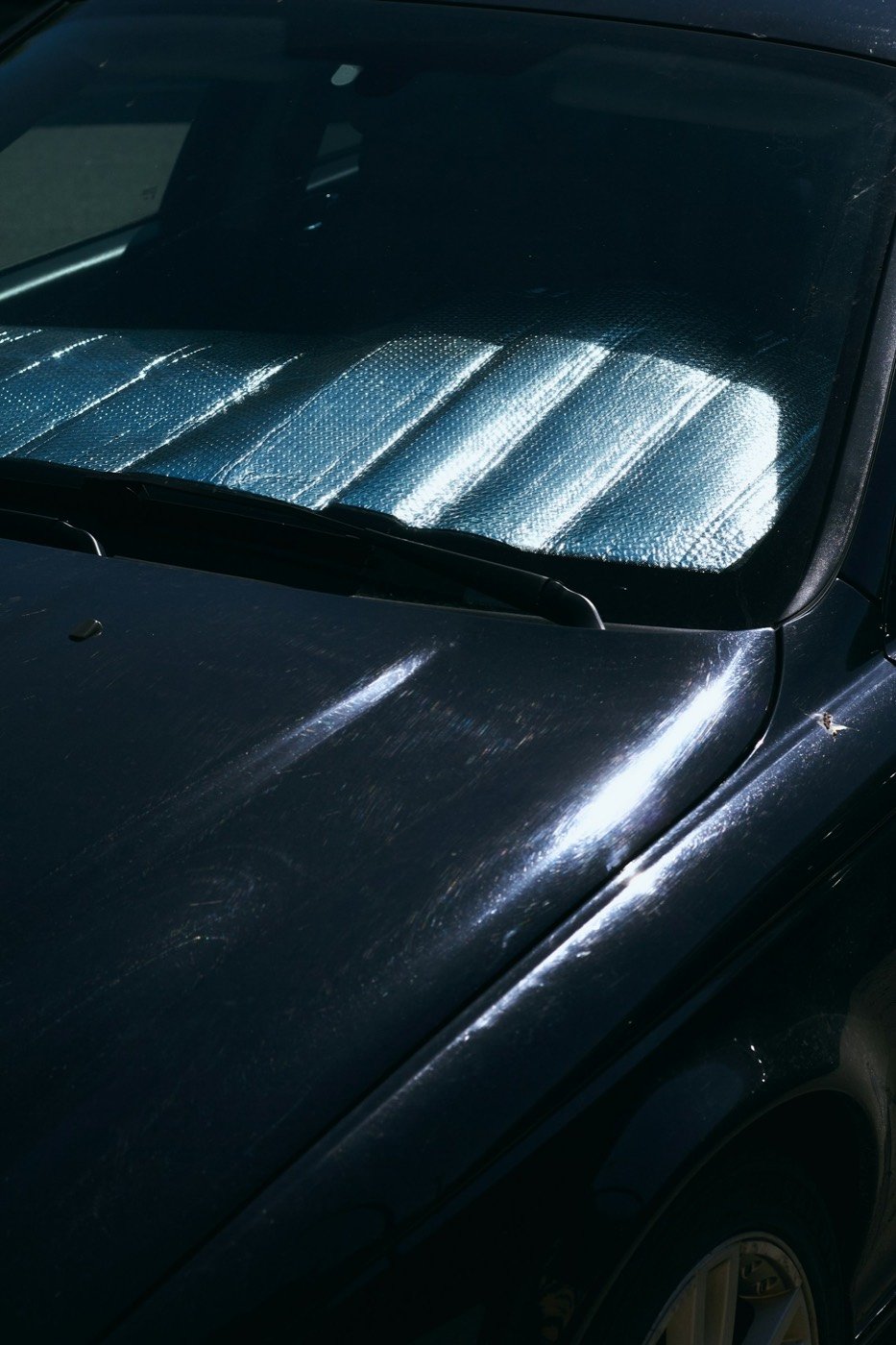
- A padded hail cover helps when there is no garage. A thin dust cover does almost nothing against hail.
- Check your insurance now, not after. Hail is covered by comprehensive coverage, not liability-only. Know your deductible and whether glass is handled separately.
- Clear the garage before spring, so the EV actually fits when a storm is coming.
- Charge as usual. Being plugged in at home is a good place for the car to ride out a storm.
A simple storm plan for home, work and errands
Hail warnings tend to arrive when you are somewhere you did not plan to be. Writing down three answers ahead of time takes ten minutes and saves a scramble.
- At home: does the car fit in the garage today, or is it holding boxes and bikes? If there is no garage, where is the padded cover kept, and can one person put it on quickly?
- At work: which nearby structure has covered parking, and can you get into it on short notice? Some garages need a pass or charge by the hour.
- On errands: which stores, malls or hospital garages along your usual routes have covered levels? In a parking structure, a lower level keeps more concrete overhead than the top deck.
- For a second car: decide in advance which car gets the garage. The one with the glass roof or the higher deductible is usually the better pick.
- If you are driving when it starts: pull into covered parking if one is close, and do not stop in a travel lane. Your own safety comes before the paint.
EV-specific points
- Glass roofs are strong, but they are a large and expensive surface. Covered parking matters more than on a car with a metal roof.
- Cameras and sensors. If bumpers, the windshield or other glass are replaced, make sure the shop calibrates the cameras and sensors afterward, and ask to see that it was done.
- Aluminum panels on some EVs need a shop that knows how to work with aluminum.
- Stainless steel on a Cybertruck is a different repair again; dents and scratches are harder to fix than paint. Ask a body shop before you assume paintless dent repair (PDR) will work. See our Cybertruck guide.
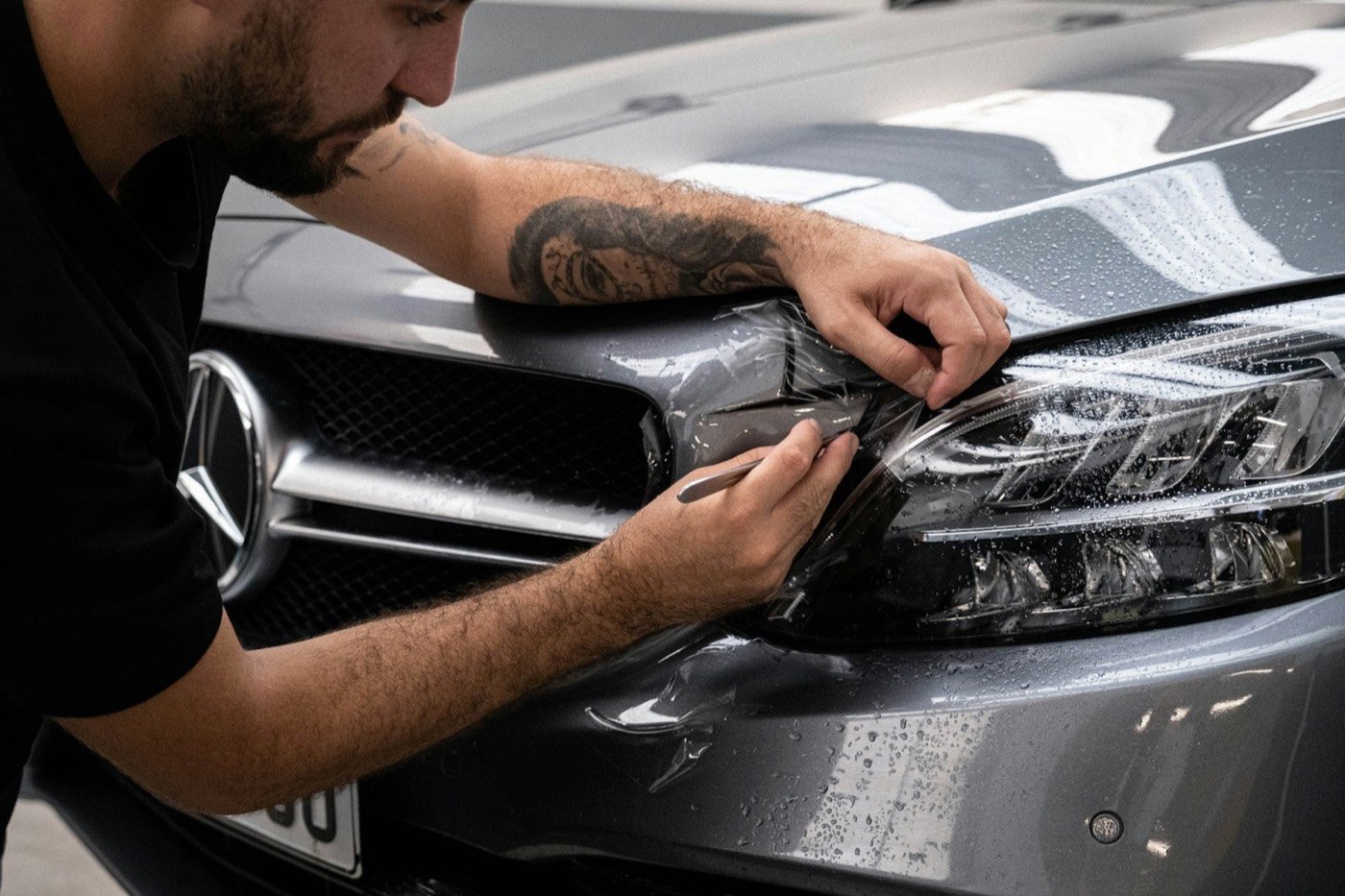
- Protection film and coatings do not stop dents. Paint protection film (PPF) absorbs rock chips, not hail. See PPF, ceramic coating and tint.
After the storm
- Photograph every panel in daylight, including the roof and glass, from a few angles.
- File the claim quickly. Shops book up after big storms.
- Ask about paintless dent repair (PDR). The technician pushes dents out from behind the panel, which keeps the factory paint when dents are small and the paint is not cracked.
- Use a body shop approved by your car's maker for structural work, aluminum panels or glass. Tesla's app also offers Collision Center appointments.
- Check the recall list while the car is in. Our recall lookup lists recalls for your model and year, and NHTSA's VIN lookup shows which are still open on your car, worth knowing while you are arranging service anyway.
PDR or a body shop?
| Situation | Usually a job for |
|---|---|
| Small to medium dents, paint intact | Paintless dent repair |
| Cracked or chipped paint, sharp creases | Body shop (repaint) |
| Broken glass roof or windshield | Glass replacement, then camera calibration |
| Aluminum or structural panels | A maker-approved collision shop |
The repair shop and your adjuster make the final call. Get the plan in writing before work starts.
Local notes
- DFW: NWS Fort Worth says large hail hits somewhere in the Metroplex nearly every year, with severe storms peaking in spring. See the DFW page.
- Austin: NWS Austin/San Antonio calls April the middle of the region's main severe weather season, but on September 24, 2023, a storm dropped hail up to 4 inches across Round Rock; NWS estimates it caused more than $600 million in damage. Plan for hail in any month. See the Austin page.
- San Antonio: on April 12, 2016, a storm dropped hail up to 4.5 inches across the north side of the city; the NWS event summary cites damage estimates of about $1.36 billion. See the San Antonio page.
- Houston: hail is less of a defining risk than flooding, but it happens. NWS recorded 4.5-inch hail that badly damaged vehicles in Hitchcock in 2013. See the Houston page.
Finding help
Find hail and dent repair in DFW, Houston, Austin or San Antonio, or collision shops in DFW, Houston, Austin or San Antonio. Spring also means heat is on the way; the Texas heat guide covers the shade and settings that help in summer.
Sources
- National Weather Service Fort Worth, DFW climate narrative (checked October 2026)
- NWS Fort Worth, tornado climatology by month (checked October 2026)
- NWS Fort Worth, severe weather of April 24-29, 2026 (preliminary) (checked October 2026)
- NWS Austin/San Antonio, April severe weather season (checked October 2026)
- NWS Austin/San Antonio, September 24, 2023 Round Rock hailstorm (checked October 2026)
- NWS Austin/San Antonio, San Antonio hail of April 12, 2016 (checked October 2026)
- NWS Houston/Galveston, April 2013 storm data (Hitchcock hail) (checked October 2026)
- Tesla, service visits (Collision Center appointments) (checked October 2026)
Some links on this site may earn us a commission at no cost to you. We only recommend categories and products we would use ourselves. Details.