What February 2021 showed
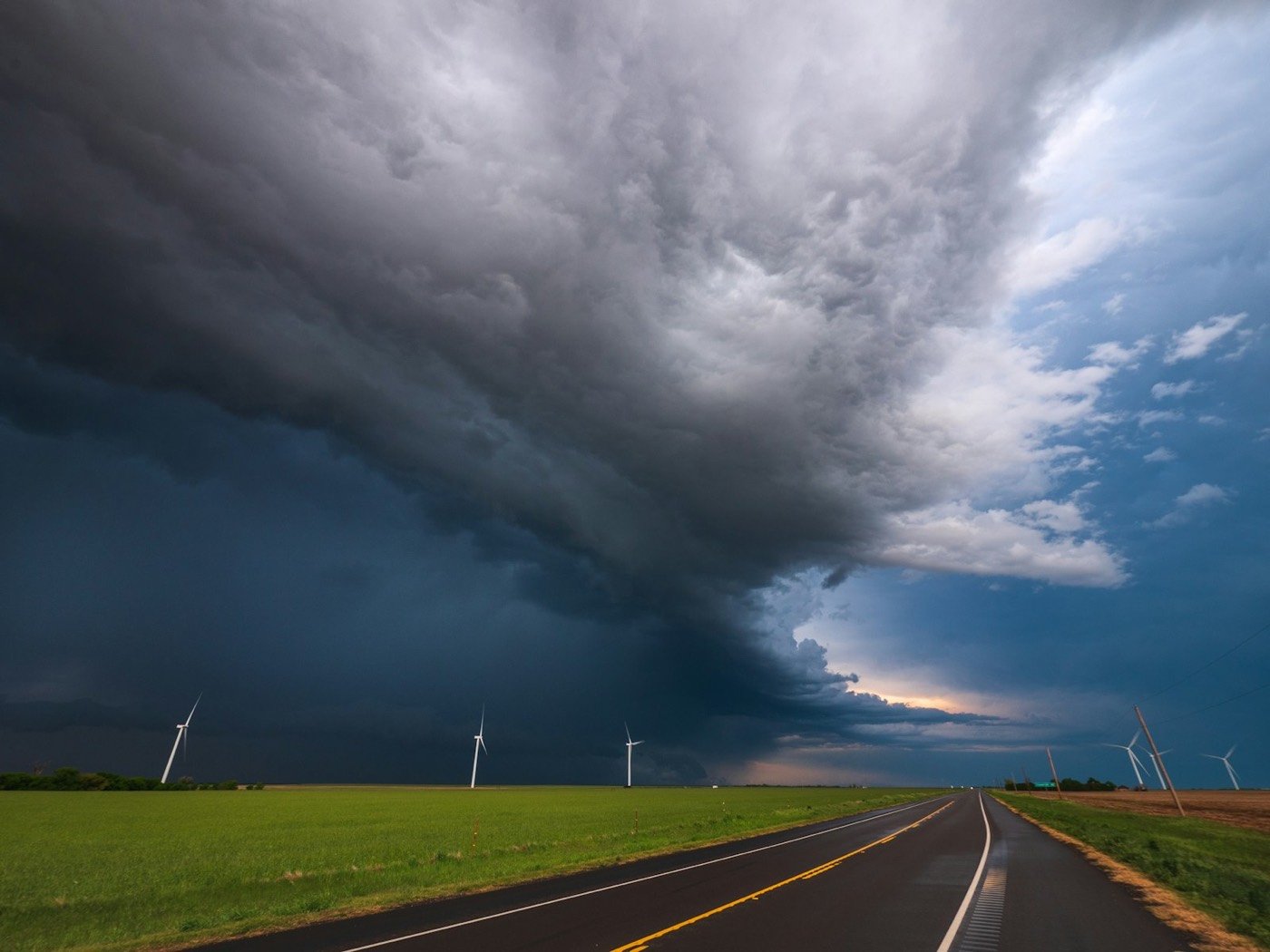
The federal report on Winter Storm Uri, from FERC and NERC, put numbers on what many Texas households lived through. ERCOT ordered 20,000 MW of rolling blackouts, which the report calls the largest manually controlled load shed in US history. More than 4.5 million people in Texas lost power, some for up to four days. Freezing problems and fuel problems together caused about three quarters (75.6%) of the unplanned power plant outages.
For EV owners, the lesson is not that EVs are a bad idea in a freeze. It is that home charging depends on the grid, and rolling outages can take it away for hours or days at the exact moment you might need to drive.
The time to fill the battery is the day before the freeze, not the morning the power goes out.
What Tesla's manual says about cold
Tesla's Model Y owner's manual has a cold weather section with these points. Other models' manuals cover similar ground, so check yours for differences:
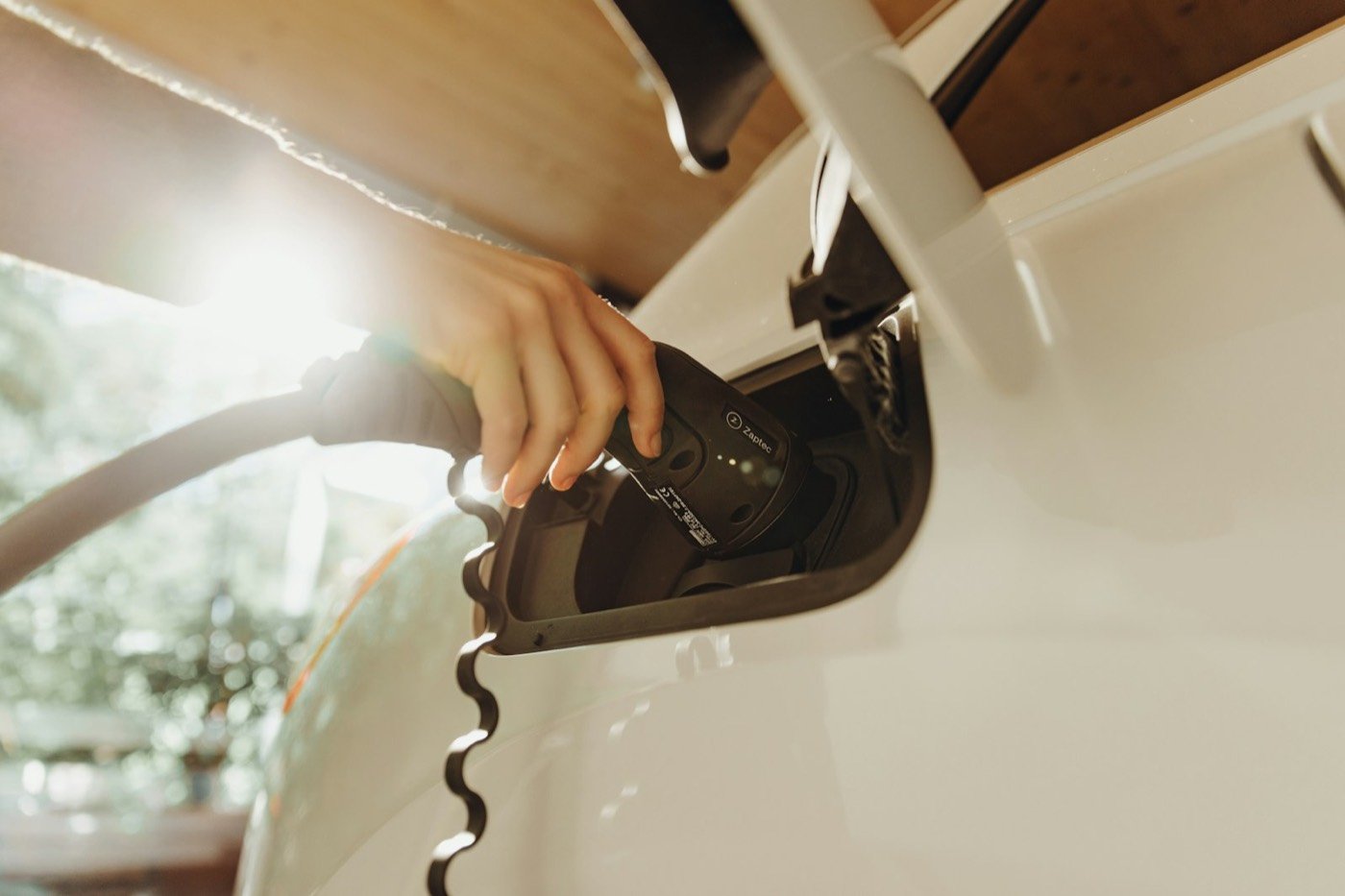
- Keep the car plugged in when parked, so the charger, not the battery, supplies the energy to keep the battery warm.
- Schedule preconditioning so the cabin and battery warm before you leave, which also keeps the charge port latch from freezing.
- If the charging cable is stuck in a frozen port, use Inlet Heater (Controls > Service).
- Use Wiper Service Mode when ice is expected, so the wipers are not frozen to the glass.
- Expect lower tire pressure: it drops about 1 psi for every 10 F fall in temperature.
- A blue snowflake on the screen means some of the battery's energy is unavailable because the battery is cold. Regenerative braking and charging speed may also be limited until it warms.
The days before a freeze
This checklist is our own advice, built on Tesla's guidance and what Texas outages look like in practice.
- Charge higher than usual while the grid is stable. If you normally stop at 80%, raise the limit for the storm so you have a buffer if home charging stops.
- Park in the garage if you have one. A garage is warmer, keeps ice off the glass and handles, and protects the charge port.
- Leave the car plugged in as long as the power is on.
- Set scheduled preconditioning for any trip you know you have to make.
- Turn on Wiper Service Mode or lift the wipers off the glass if the car is outside.
- Check tire pressures after the temperature drops, and top them up to the placard pressure.
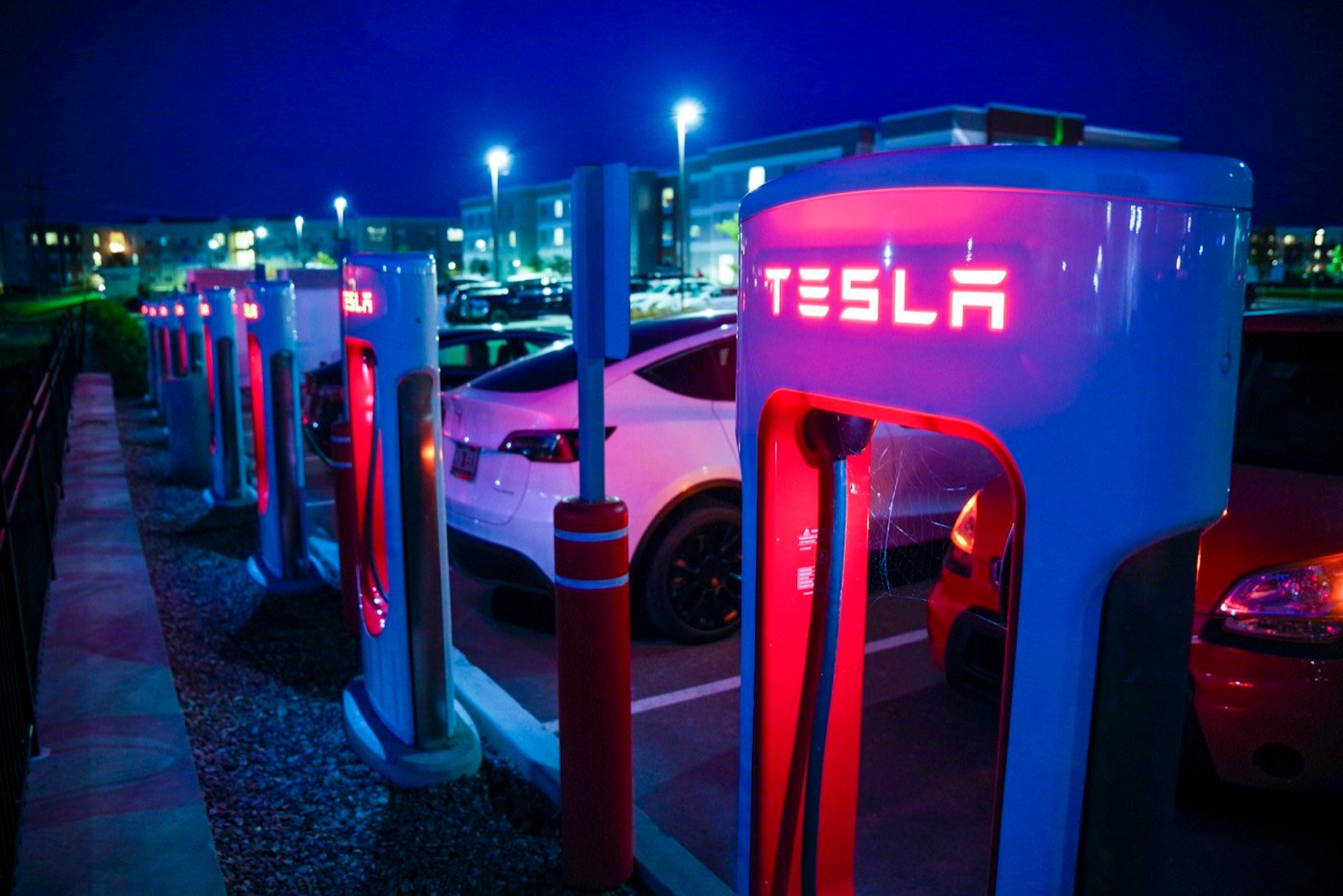
- Know two nearby fast chargers you could reach if home charging is out, and remember they may be busy or affected by the same outages.
- Charge phones and keep a physical key card where you can find it, in case the phone key misbehaves in the cold.
- Save your utility's outage contact. Where you choose a retail provider, outages go to the company that owns the wires, not the provider: Oncor in most of DFW, CenterPoint Energy in most of Houston. Austin Energy and CPS Energy (San Antonio) customers call their city-owned utility, and Denton, Garland, Entergy Texas and co-op customers call their own utility.
During an outage
- Let the car sleep. Checking it in the app wakes it and uses energy. Look only when you need to.
- Stay off the roads if you can. Ice is the real hazard, whatever you drive.
- If you must drive, precondition first if you have the charge to spare, expect less range from a cold battery, and drive gently: regen may be limited, so the car will coast more than you are used to when you lift off.
- Never run a generator in a garage or near doors and windows. Carbon monoxide is a serious risk during winter outages.
- Do not use extension cords or improvised wiring to charge from a generator. Any backup power connection to a home needs proper equipment and a licensed electrician.
Frozen ports, doors and handles
- Use scheduled preconditioning or the app's climate control before going out, so the car warms and frees latches and handles.
- If the cable will not release from the port, use Inlet Heater under Controls > Service.
- Do not pour hot water on glass or seals. Let the car's own heat do the work.
- Brush snow and ice off the cameras and sensors before driving.
Home backup and the car
Most EVs cannot power a house on their own without extra equipment. The Cybertruck is the Tesla exception: its Powershare feature can feed a home through Tesla's Universal Home Charger & Gateway bundle, which needs a certified installer (see our Cybertruck guide). Powerwall owners on Tesla Electric can also take part in Tesla's Virtual Power Plant. Whatever you consider, any connection between a vehicle or battery and your home's wiring is work for a licensed electrician or the manufacturer's certified installer.
After the storm
- Lower your charge limit back to your daily setting once the grid is normal.
- Recheck tire pressures as temperatures rise again.
- Look over the car for ice damage to trim, wipers and mirrors, and check for burst-pipe water if it was in a garage.
Local notes
- DFW: most homes choose a retail plan, and Oncor handles outages. Our DFW electricity plans guide covers overnight charging plans. See the DFW page.
- Houston: the long outages here have come from hurricanes more than freezes. The PUCT's investigation found Hurricane Beryl (July 2024) cut power to 2.2 million CenterPoint customers, and the most common outage among people surveyed lasted three to seven days. Most of this checklist applies to a summer outage too, apart from the cold. See the Houston page.
- Austin: about 220,000 Austin Energy customers lost power at different points during Winter Storm Uri in 2021. In the February 2023 ice storm (Winter Storm Mara), more than 170,000 customers, or 32%, were out at the peak, according to Austin Energy, and some went more than a week without home charging. See the Austin page.
- San Antonio: a City of San Antonio review found that hundreds of thousands of people in the city lost power for several days during Winter Storm Uri. See the San Antonio page.
For the other side of the Texas weather calendar, see Texas heat and hail season.
Sources
- FERC/NERC final report on the February 2021 freeze (checked October 2026)
- Tesla Model Y owner's manual, cold weather (checked October 2026)
- Oncor and CenterPoint Energy electric utility FAQ (checked October 2026)
- PUCT investigation report on Hurricane Beryl and the May 2024 derecho (checked October 2026)
- Austin Energy, February 2021 winter storms after-action report and Winter Storm Mara after-action report (checked October 2026)
- City of San Antonio, Community Emergency Preparedness Committee report, June 2021 (checked October 2026)
- Tesla Cybertruck configurator (Powershare bundle) (checked October 2026)
- Tesla Electric and Virtual Power Plant (checked October 2026)
Some links on this site may earn us a commission at no cost to you. We only recommend categories and products we would use ourselves. Details.